2021 – 2022 // University // Computer Science and Human-centered Design
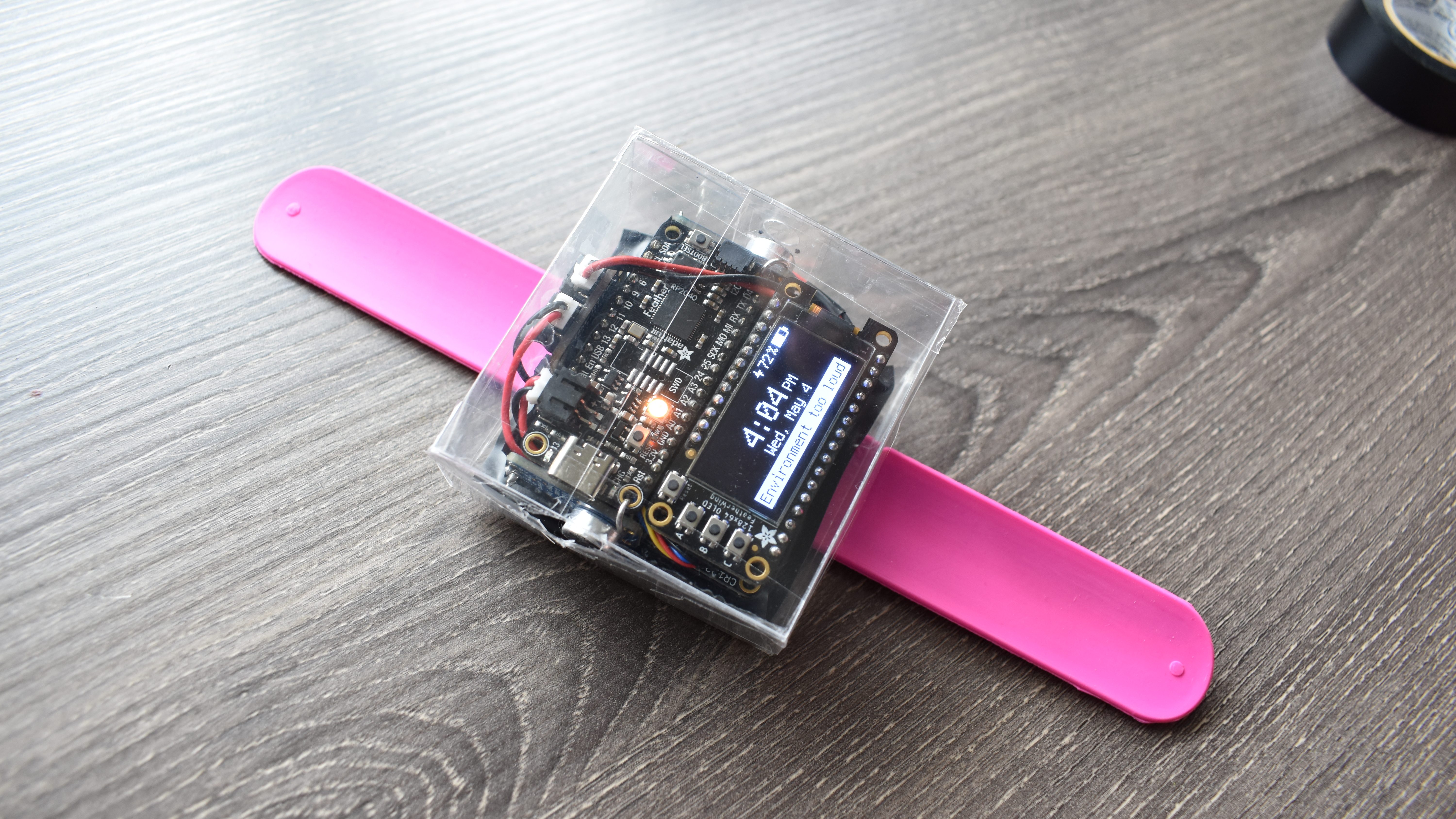
A watch intended to assist individuals with ASD (Autism Spectrum Disorder) navigate the world, with the focus being on audio overstimulation. The watch proof of concept has two microphones that monitor the volume of the room and the individual and notifies them when either of them get too loud. Worked as part of two person development team researching, prototyping and iterating upon prototypes that was presented at University engineering expo, where it won first place!
– Objective –
Create a wearable piece of technology for children with high functioning ASD, particularly those who are overstimulated by auditory stimuli. The product should be intuitive, cheap, and unobtrusive for the user. The goal is to create and iterate upon prototypes to create an MVP or proof of concept to present at the CU Denver Engineering Expo.
– Approach –
My partner and I need to find a way to understand and empathize with the ASD community to understand the issues that come with navigating the world. We learned very quickly that ASD is separated into three levels based on the level of support they require to live. People with ASD 1 require some support as they may have difficulty in social situations or organization. ASD 2 requires substantial support and ASD 3 requires increasingly substantial support. Our target demographic became individuals with ASD 1 as they are considered high functioning and benefit from less support than the other levels.
When my partner and I worked with our colleague at CU Denver we learned that he got the project suggestion from someone he knew, so we decided to work very closely with him since his son has ASD 1. We would meet twice a week and perform light agile sprints to test different prototypes and iterate upon them. Since our main goal was to create something cheap and rapidly prototype it we decided to use Adafruit hardware, and since it supported CircuitPython it streamlined the whole process.
– Work Completed –
My partner and I drafted up a project requirement doc to refer back to when creating the final product, trying to follow development best practices. We then began work on getting the technical details figured out.
We decided to tackle the auditory stimuli problem since our sponsor’s son struggles with that the most. Considering we would be having consistent conversations together we wanted to make sure we created something that he and his son were more familiar with and could provide feedback on.
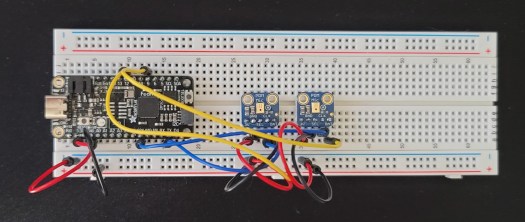
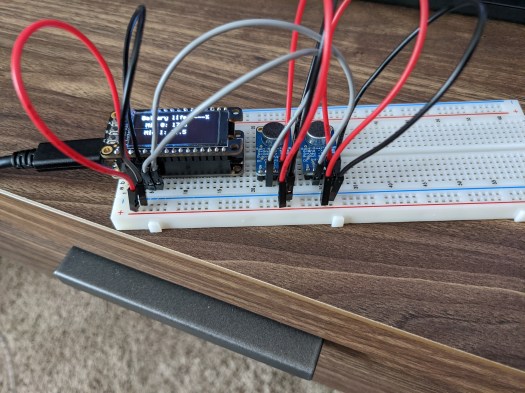
Our development phases spanned two semesters, and we spent most of that time prototyping, below is a gallery of our major prototypes. The first two were our microphone tests, the next one contained all of the components that we used for our MVP and the final picture is the proof of concept we presented at the engineering expo.

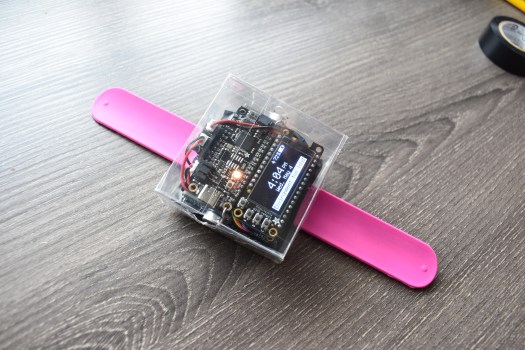
For the final proof of concept, we wanted to have all modules visible so we could show the simplicity of the design, hence the clear plastic case. We decided to use a slap bracelet since it could fit any user’s wrist and can be worn and removed very quickly. When we presented the product to everyone at the expo.
We recognized how important it was for use to have empathy for the individuals that have ASD during the ideation process, so we decided that our presentation would benefit from a supplemental interactive piece when we presented the project. I had Unity on my mind since I was working on Thrust at the same time as this project, so I jumped in and quickly made an interactive element that we could have at our booth.
You can download the soundscape here if you’d like to!
Here’s the final proof of concept in action as well!
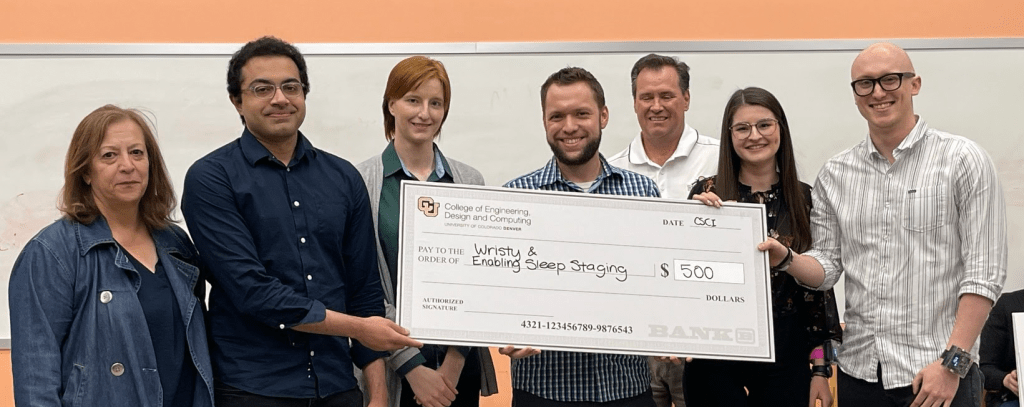
Obligatory big check moment
– Retrospective –
I couldn’t have asked for a better final project to work on at CU, this one truly was a culmination of all of my skills in engineering, design, and human centered design. We had many ideas that we want to keep iterating on, adding different haptic feedback methods, a Tamagotchi- like companion for the watch, as well as a downsizing the watch. My partner and I still manage to work on the project on the side here and there and used the money that we won at the expo to purchase new parts to continue to work on it a little bit.
 ALEX VERKEST